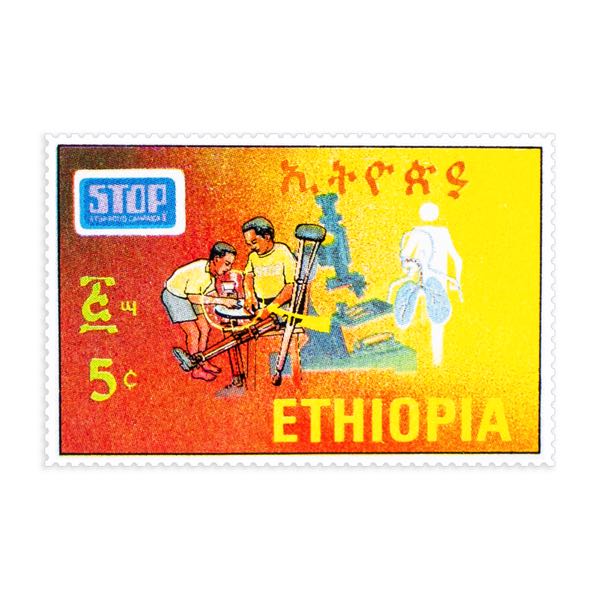
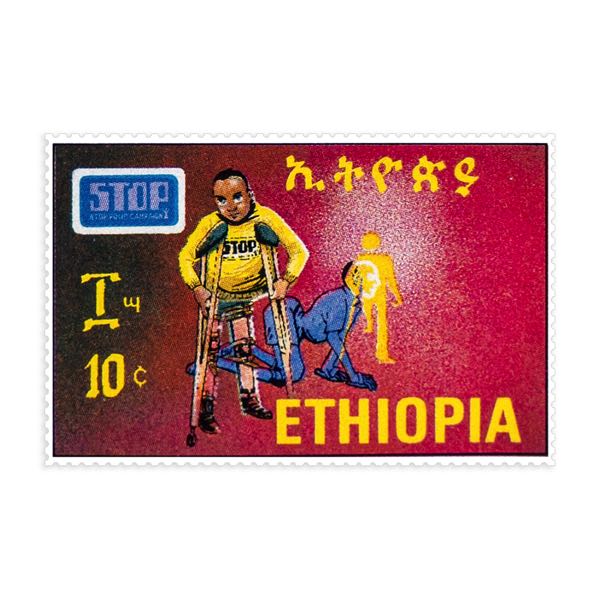
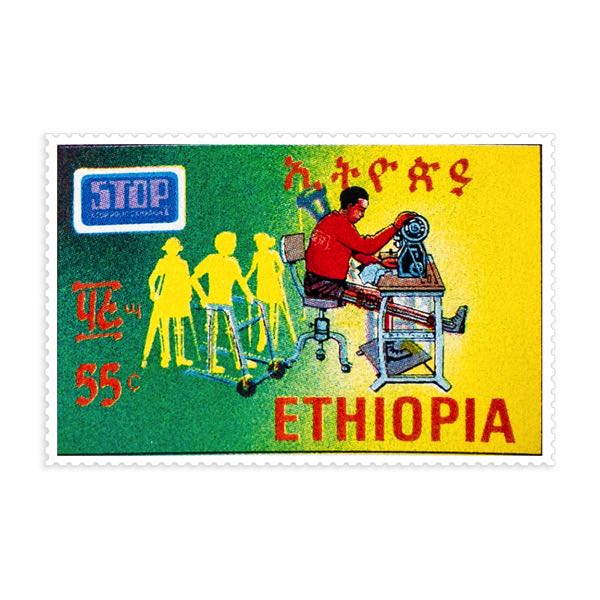
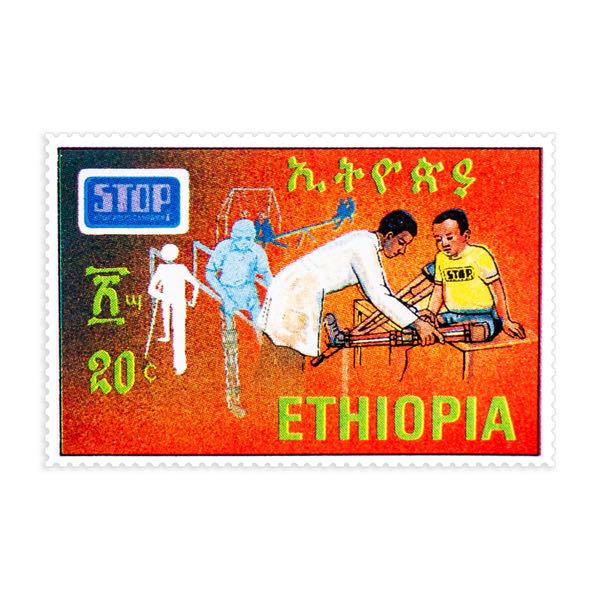
Poliomyelitis is an infectious disease epidemic and endemic throughout the world. It is caused by one of three types of an ultramicroscopic virus. It is transmitted by droplet infection and by oral ingestion. The incubation period varies from three to thirty days. The disease mainly affects children under five. Polio destroys the anterior horn cells of the spinal cord and the brain stem.
The prevention of poliomyelitis is best achieved by an oral polio vaccine manufactured with all three types of attenuated live virus. At least two doses should be given to children and to all babies from the age of three months onwards. Intensive immunization campaigns are necessary in the developing countries of the world.
poliomyelitis leaves paralyzed patients, and un-like most other diseases, these patients will usually remain disabled. If they do not get the chance to be hospitalized, they will be condemned to crawling on the ground, and deformities and contractures will result.
The number of severely paralyzed patients with poliomyelitis in Africa is likely to be well over one million and in the developing countries of the world, several million. As little has been done for any of these patients, they die before maturity.
poliomyelitis is said to have first occurred nearly 6,000 years ago in the time of the Ancient Egyptians. The evidence for this is in the withered and deformed limbs of certain Egyptian mummies.
The first major epidemic of polio that was recognized and accurately documented was in Sweden n 1905-07 when attacked rates of 5 to 7 cases per 1000 were recorded.
Until a Britisher named captain Leonard Che-shire started the first home in England in 1948, polio-affected individuals had no home where they could ad-minister their own affairs. The idea then spread to other parts where today there are nearly 200 homes in 36 different Countries of which 75 are in the United Kingdom.
In Ethiopia a house for the first time was established in 1962 in Addis Ababa. This home was very small and it could only cater for 8-10 mentally retarded children. Later on, that is in December 1966, the site was moved from Kasanchis to a permanent place 27 km. west of Addis Ababa.
This house rehabilitates children who are physically handicapped and mainly victims of polio. with physiotherapy and with the aid of braces and cruthes, they are taught to walk again so that they can lead active and independent life. Children are provided with medical care, food, clothing and education. After treatment, children are returned to their parents and followed up regularly by the Home’s social worker.