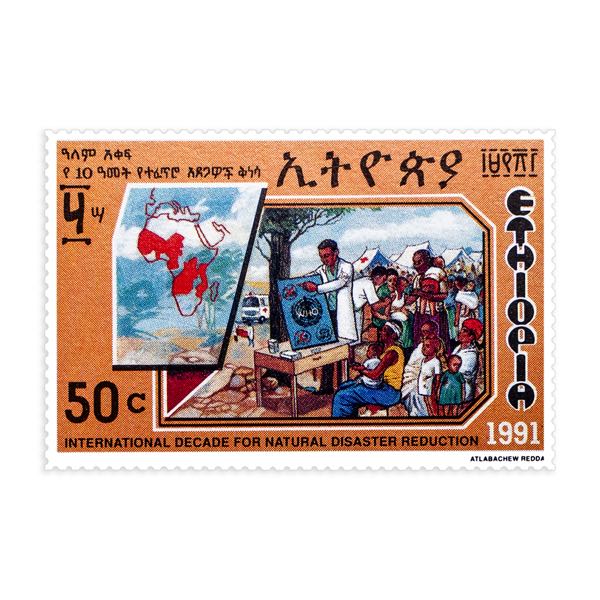
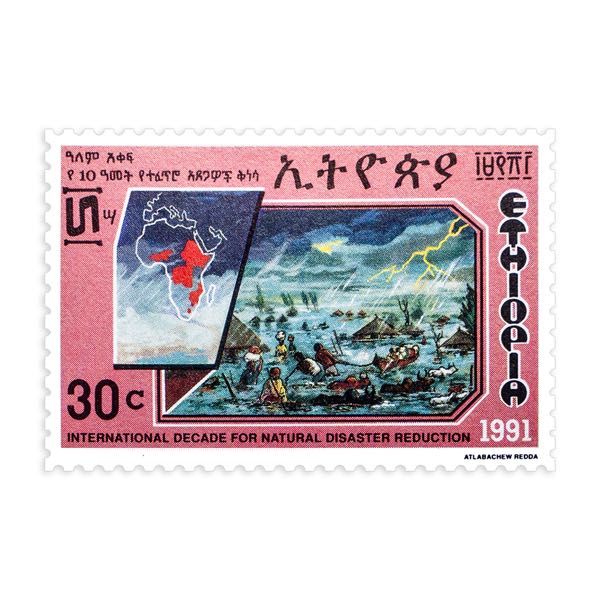
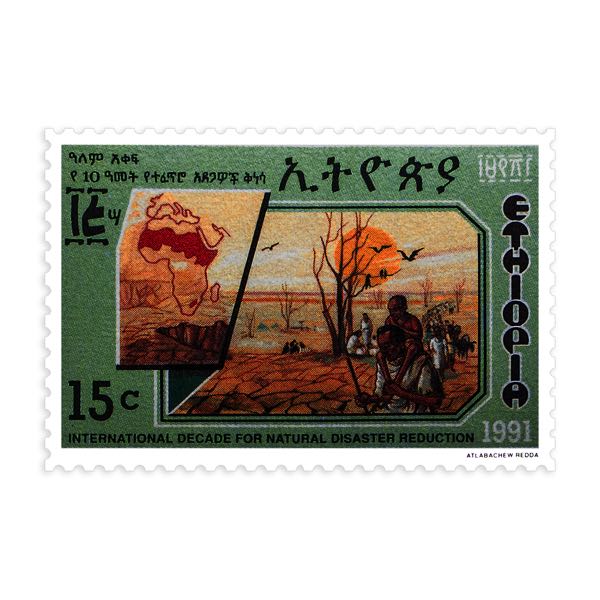
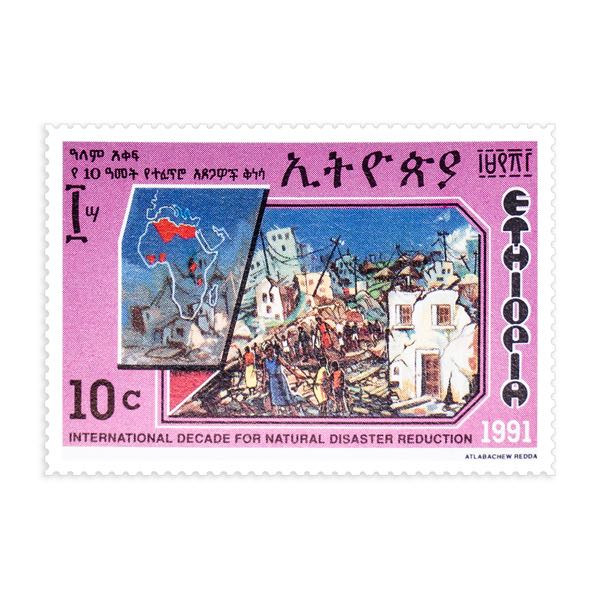
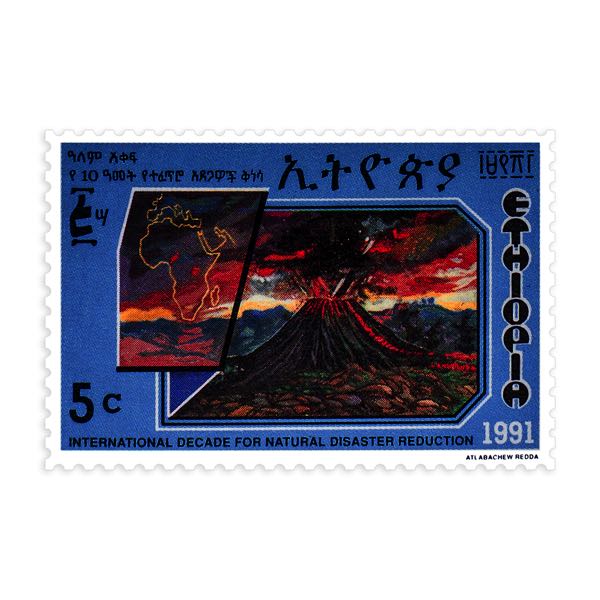
International Decade For Natural Disaster Reduction (1990 – 2000)
A World Health Organization (WHO) Centre for Emergency Preparedness and Response Africa (EPR) was officially opened in Addis Ababa, Ethiopia on March 6, 1989. Called the Pan African center, it gives service for African people living in disaster – prone areas.
The Centre functions as part of the WHO Global programme for Emergency Preparedness and Response in support of the international effort aimed at implementing the united Nations International Decade for Natural Disaster Reduction which runs from 1990 – 2000.
The centre has been set up to assist the countries in Africa to cope with catastrophes such as drought, flood, cyclones, earthquakes, civil wars and mass population movements all of which aggravate the already acute socio-economic crisis afflicting the continent.
Other functions of the organization include furnishing necessary aid in emergencies, recognizing, the fundamental importance of preventive measures and preparedness, the necessity of integrated response to link emergency measures with the long term development, reducing the amount of time that lapses between an impending disaster and information about that disaster reaching the donor community and determining the types and levels of aid needed during the disaster.
In general, the various activities to be u under this programme Embrel various activities to be undertaken is programme embrace preparedness planning, training, information exchange and information exchange and communication, multi-sectoral cooperation, appropriateness of relief disaster development cooperation, appropriateness disaster development linkage and integration as well as community involvement.
since its inception, the Pan African Centre for Emergency Preparedness and Response has favorable conditions for National EPR Programme drafted in many African countries so as they be able to resolve disasters arising from drought, famine, epidemics, etc.
Research has also been promoted in many aspects of natural hazards, the distribution of preparedness and emergency response plans, the formula response plans, the formulation and implementation of educational programmes on the prevention and mitigation of hazards, etc. that finally resulted in the establishment of disaster mitigation projects which are many African countries. By the end of 1991, 25% of member states will have updated their policies, strategies and plans of action on emergency preparedness and response another 25% of within the health sector, and member states which do not have a national disaster preparedness plan will have formulated their own national health EPR plan.